
Cybercriminals Are Selling Access to Chinese Surveillance Cameras
Tens of thousands of cameras have failed to patch a critical, 11-month-old CVE, leaving thousands of organizations exposed.
August 25, 2022
Cybersecurity threats, protection strategies, and best practices
Tens of thousands of cameras have failed to patch a critical, 11-month-old CVE, leaving thousands of organizations exposed.

Over 130 companies tangled in sprawling phishing campaign that spoofed a multi-factor authentication system.

Researchers uncover a watering hole attack likely carried out by APT TA423, which attempts to plant the ScanBox JavaScript-based reconnaissance tool.

2.5 million people were affected, in a breach that could spell more trouble down the line.

Signal offers end-to-end encryption, disappearing messages, and local backups to protect user data

On an unsecured network—like public Wi-Fi networks—hackers can quietly insert themselves between you and the websites you visit. These “machine-in-the-middle” attacks (previously known as man-in-the-m...
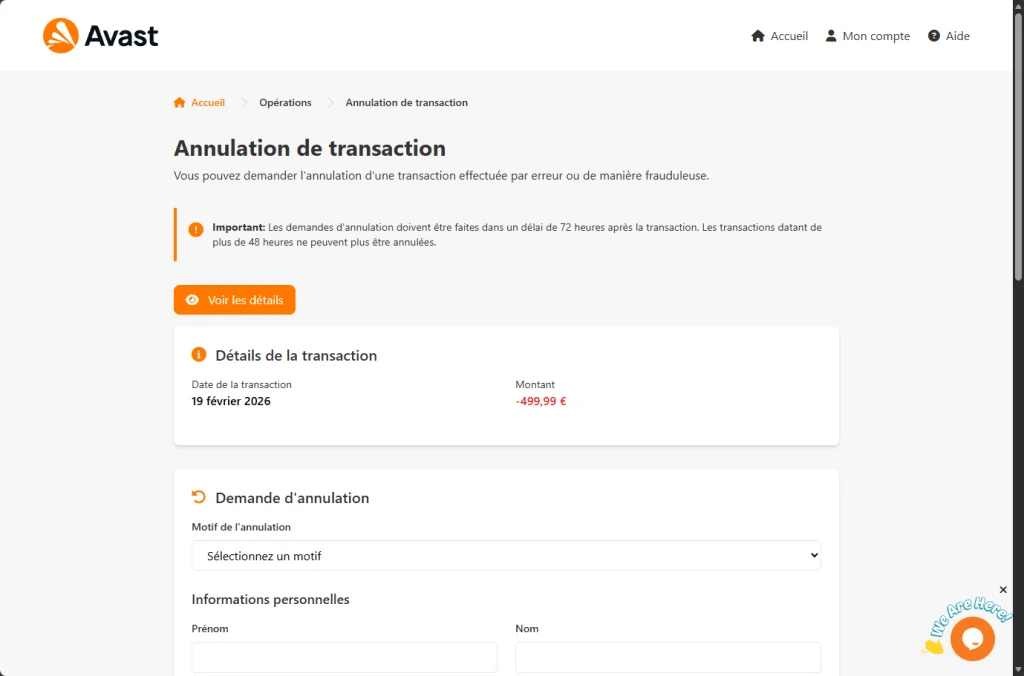
A convincing fake Avast site displays a €499.99 charge and promises a refund. Instead, it harvests your name, address, and full credit card details.
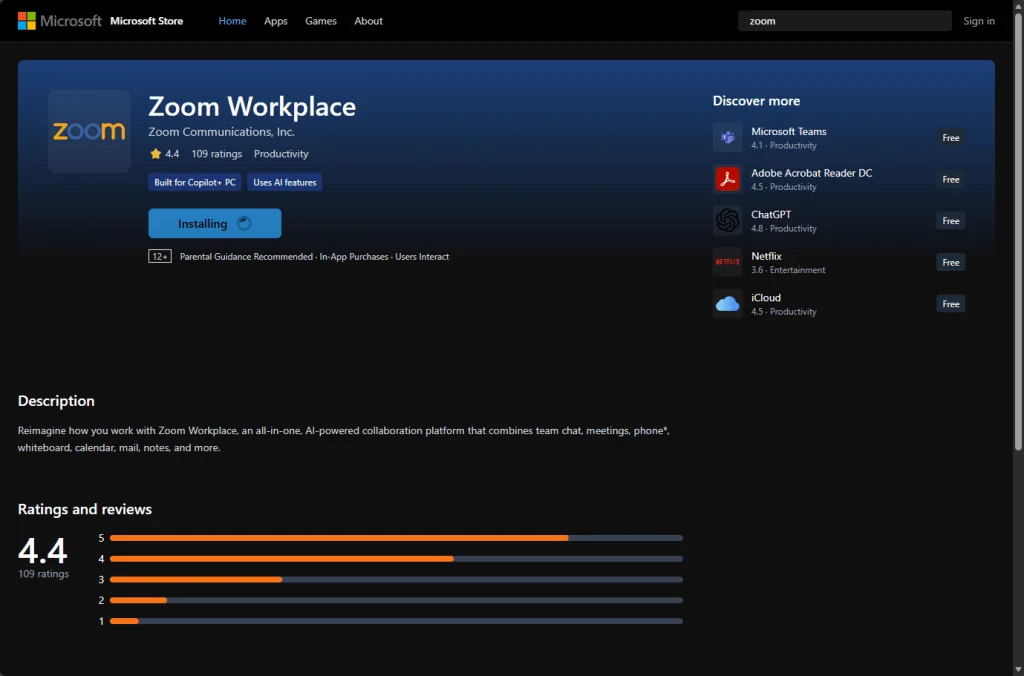
A fake Zoom meeting page looks real, triggers a bogus “update,” and silently installs a legitimate commercial monitoring product.
Los Angeles County sued the online gaming platform Roblox for its alleged failure to protect children from danger.
Ofcom and the Information Commissioner's Office respectively fined a US porn company and Reddit for failing to protect children online.
Unsealed court records reveal Instagram executives discussed explicit messages to teens years before a blur feature was introduced.
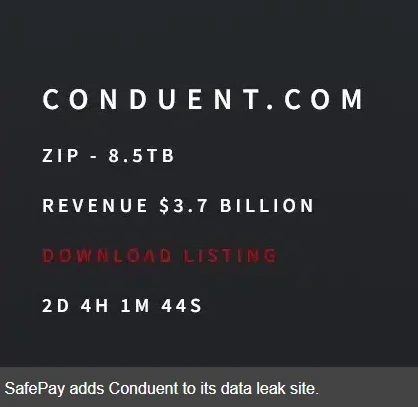
A third-party breach at Conduent now affects 25 million Americans—many never knew their data flowed through its systems.
APT stands for Advanced Persistent Threat. But what does that actually mean, and how does it translate into the kind of threat you’re facing?
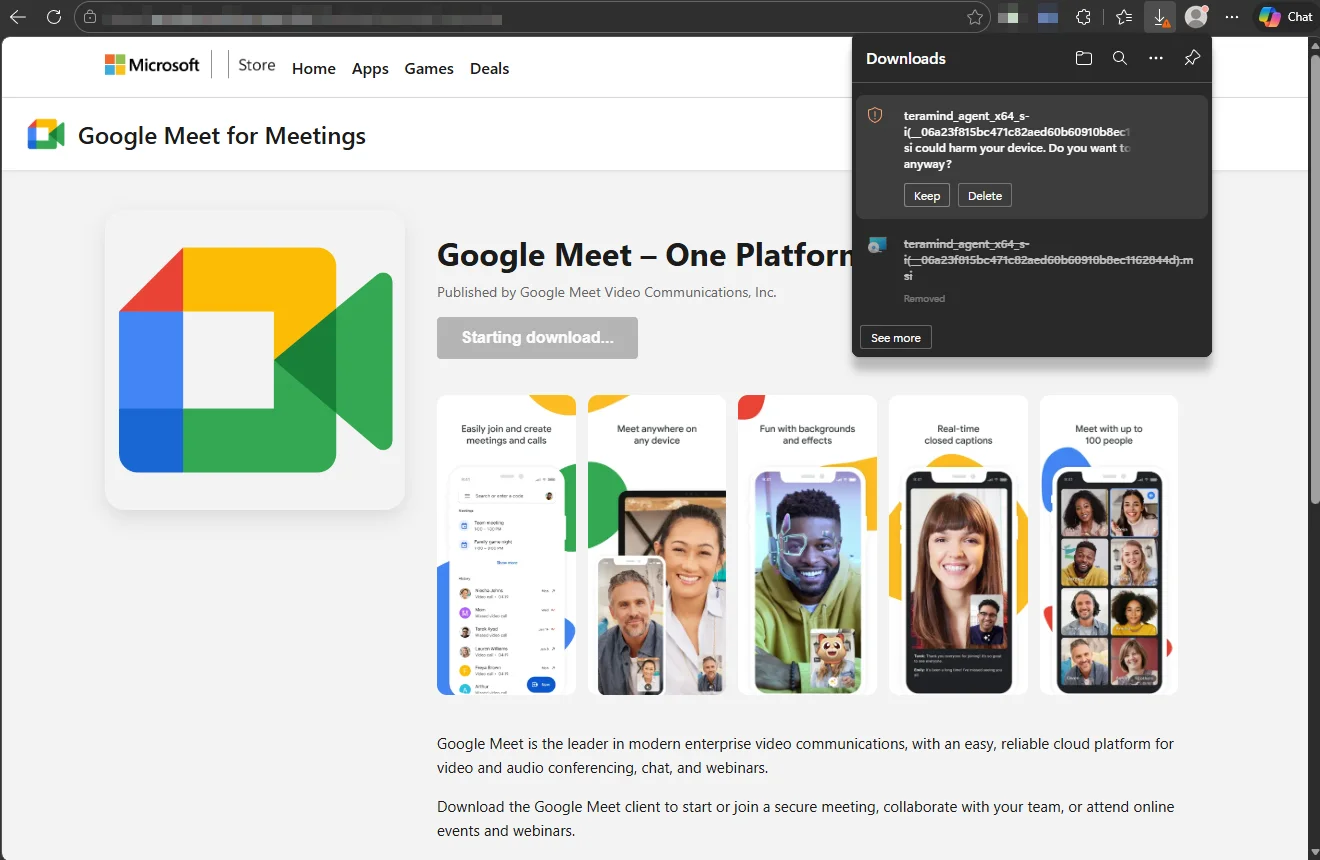
Attackers don’t always need custom malware. Sometimes they just need a trusted brand and a legitimate tool.
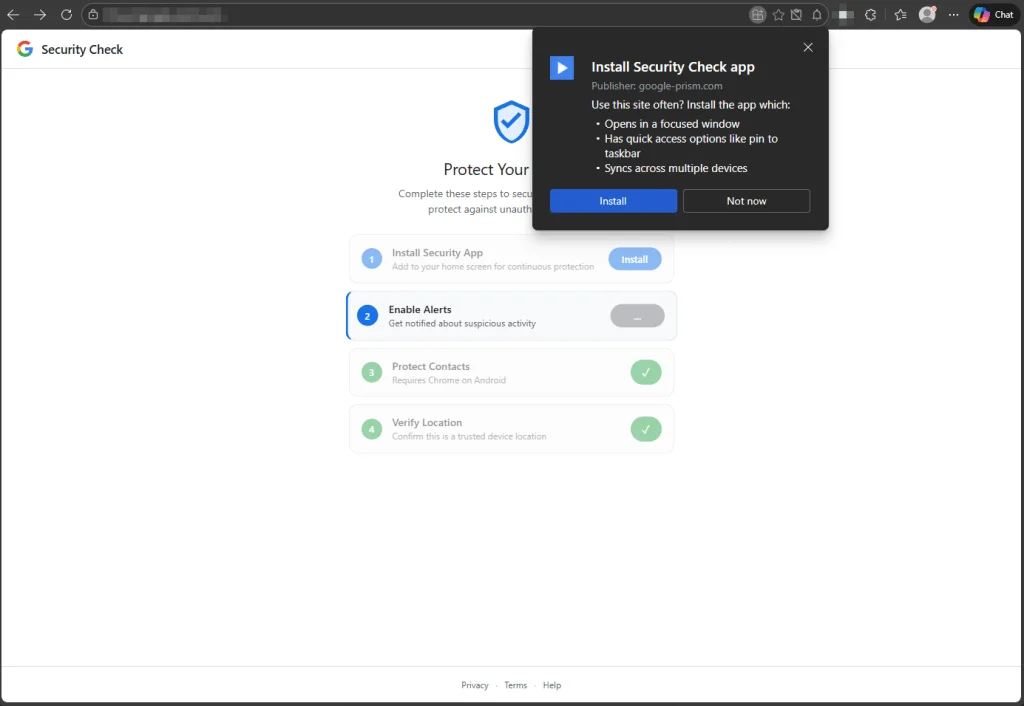
Disguised as a security check, this fake Google alert uses browser permissions to harvest contacts, location data, and more.
Researchers found that Google API keys long treated as harmless can now unlock access to Gemini.
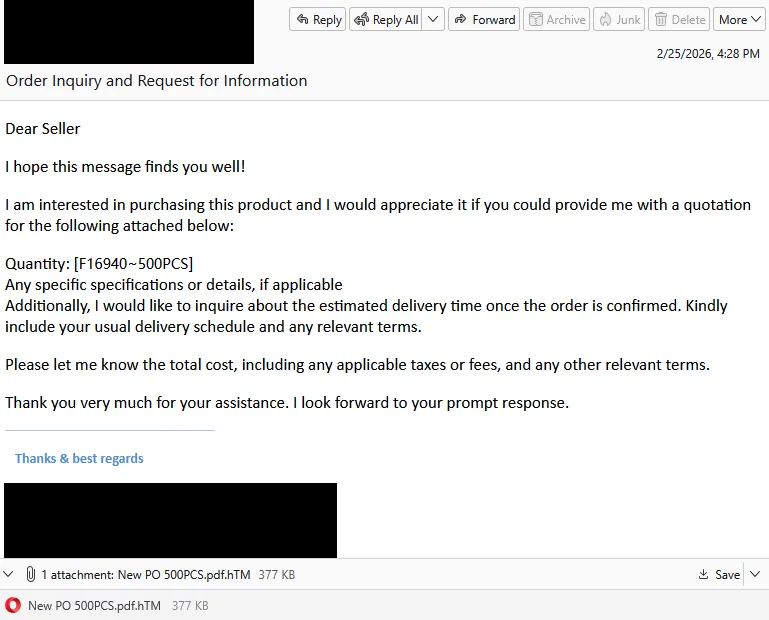
A fake purchase order attachment turned out to be a phishing page designed to harvest your login details.
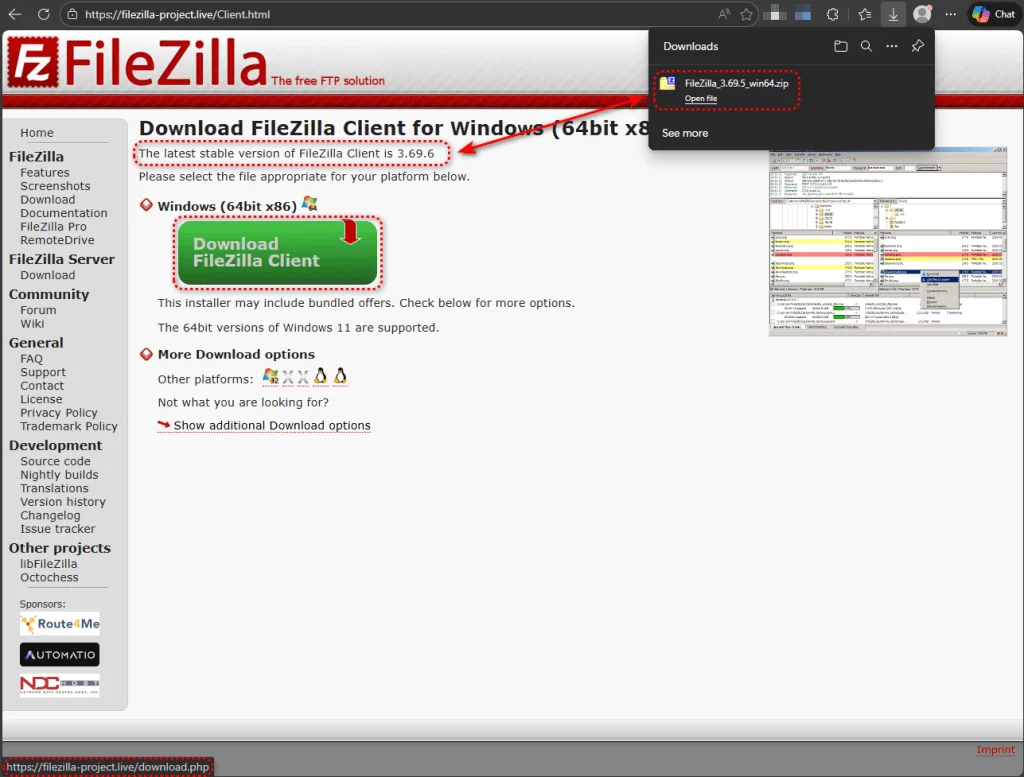
A tampered copy of FileZilla quietly contacts attacker-controlled servers using encrypted DNS traffic that can slip past traditional monitoring.
As Samsung settles a lawsuit over how its smart TVs collect and monetize viewing data using ACR, here's how the rest of us can limit the data we're sharing.
At the center of the dispute is how far AI models should be allowed to go inside military systems.